.
Condición fitosanitaria: Presente ampliamente distribuida
Grupo de cultivos: Oleaginosas
Especie hospedante: Soja (Glycine max)
Rango de hospedantes: específico / estrecho
Rango de hospedantes: específico / estrecho, la mayoría de las especies de Glycine spp, otras especies de leguminosas y malezas comunes como Abutilon spp.
Etiología: Hongo. Necrotrófico (Hemibiotrófico)
Agente causal: Septoria glycines Hemmi
Taxonomía: Eukaryota > Fungi > Dikarya > Ascomycota > Pezizomycotina > Dothideomycetes > Capnodiales > Mycosphaerellaceae > Septoria
.
.
-
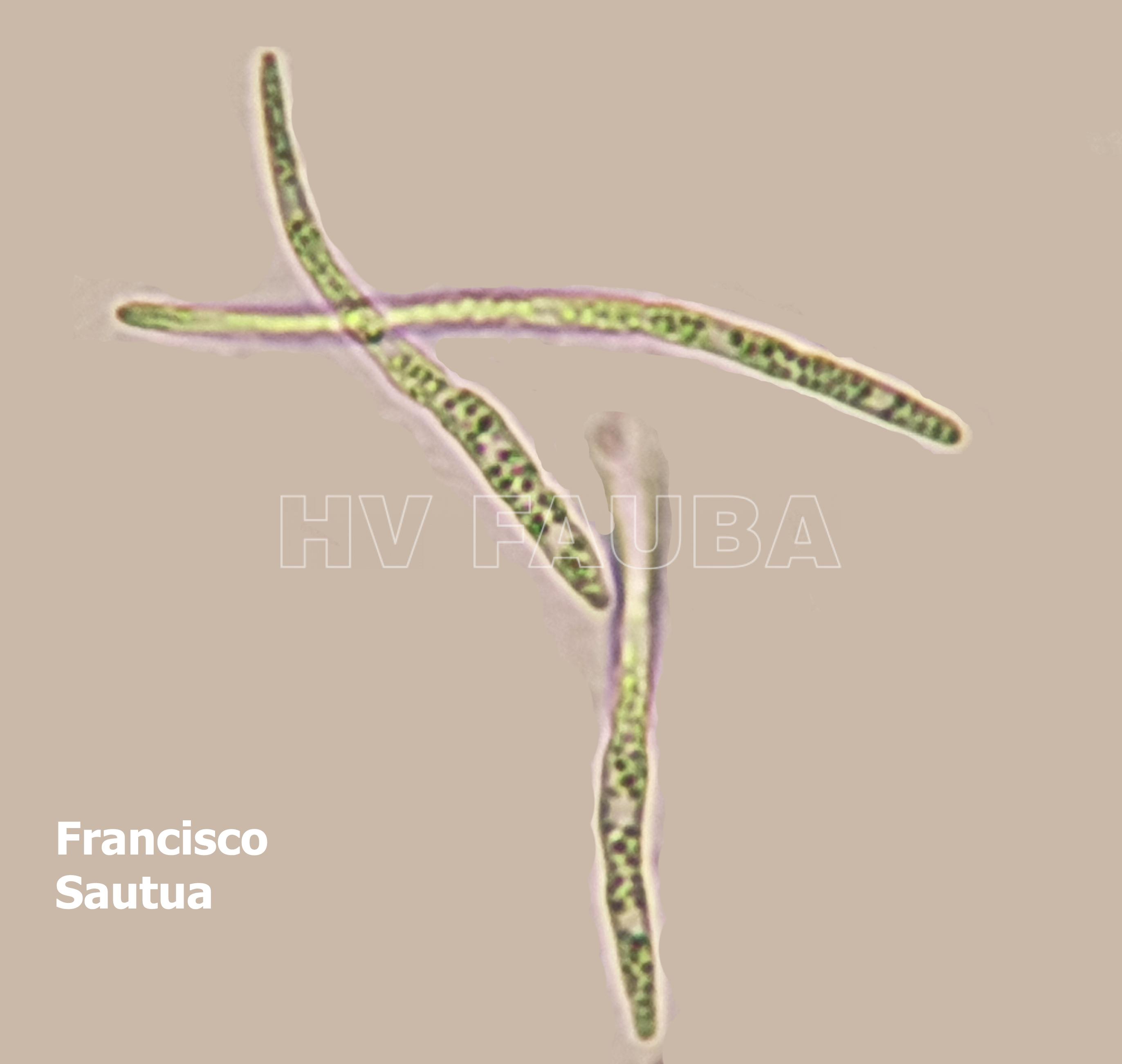
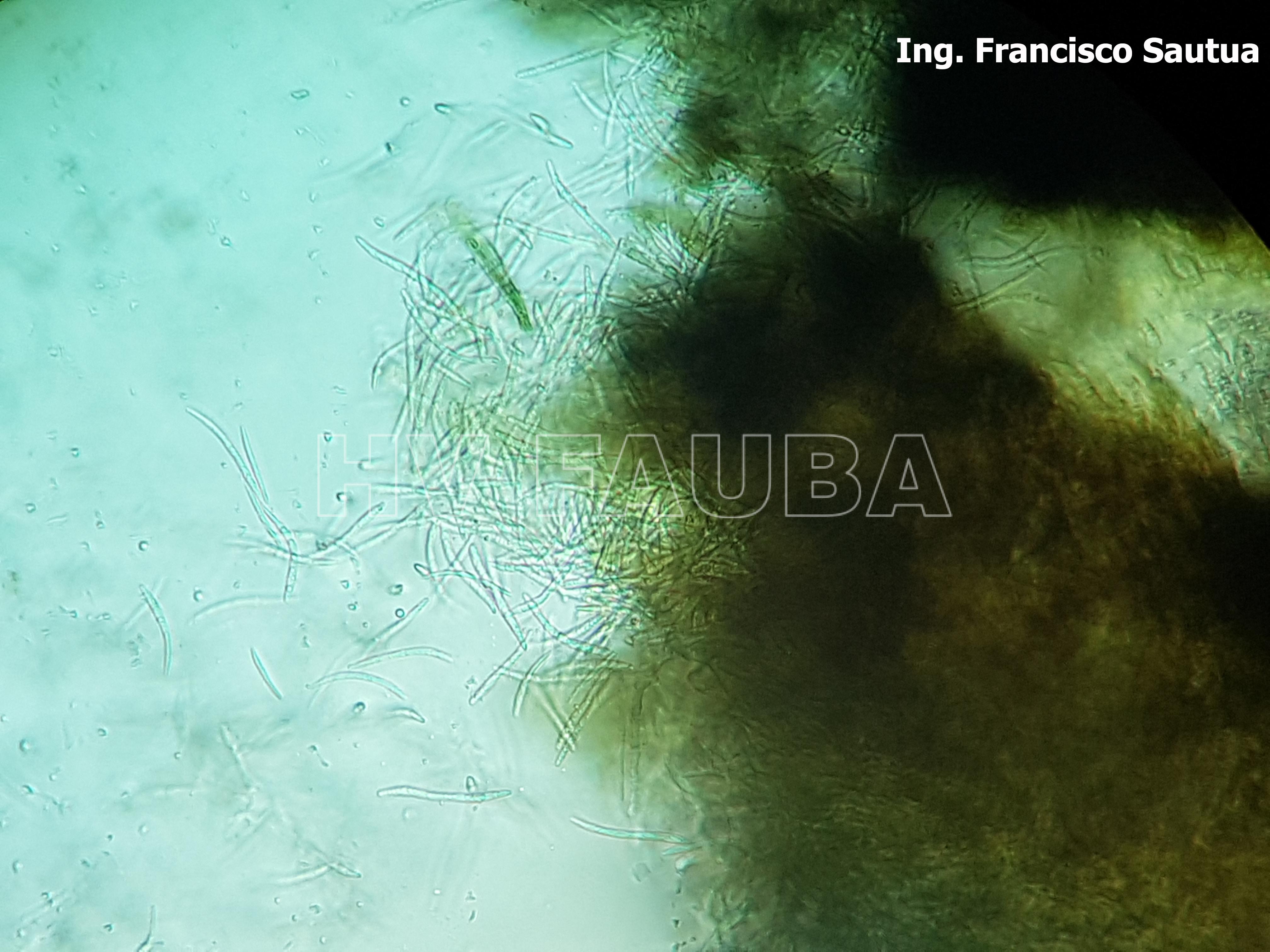
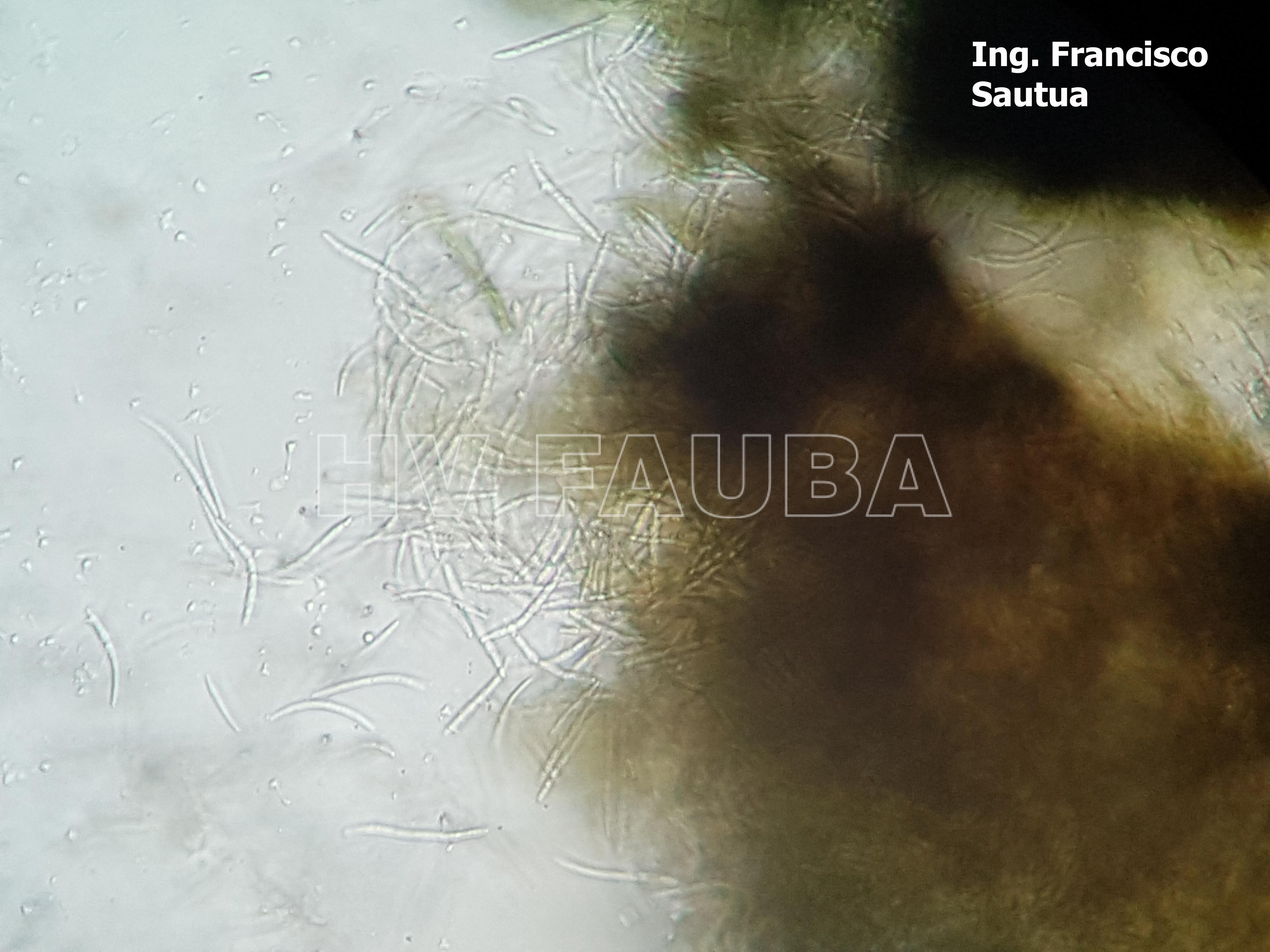
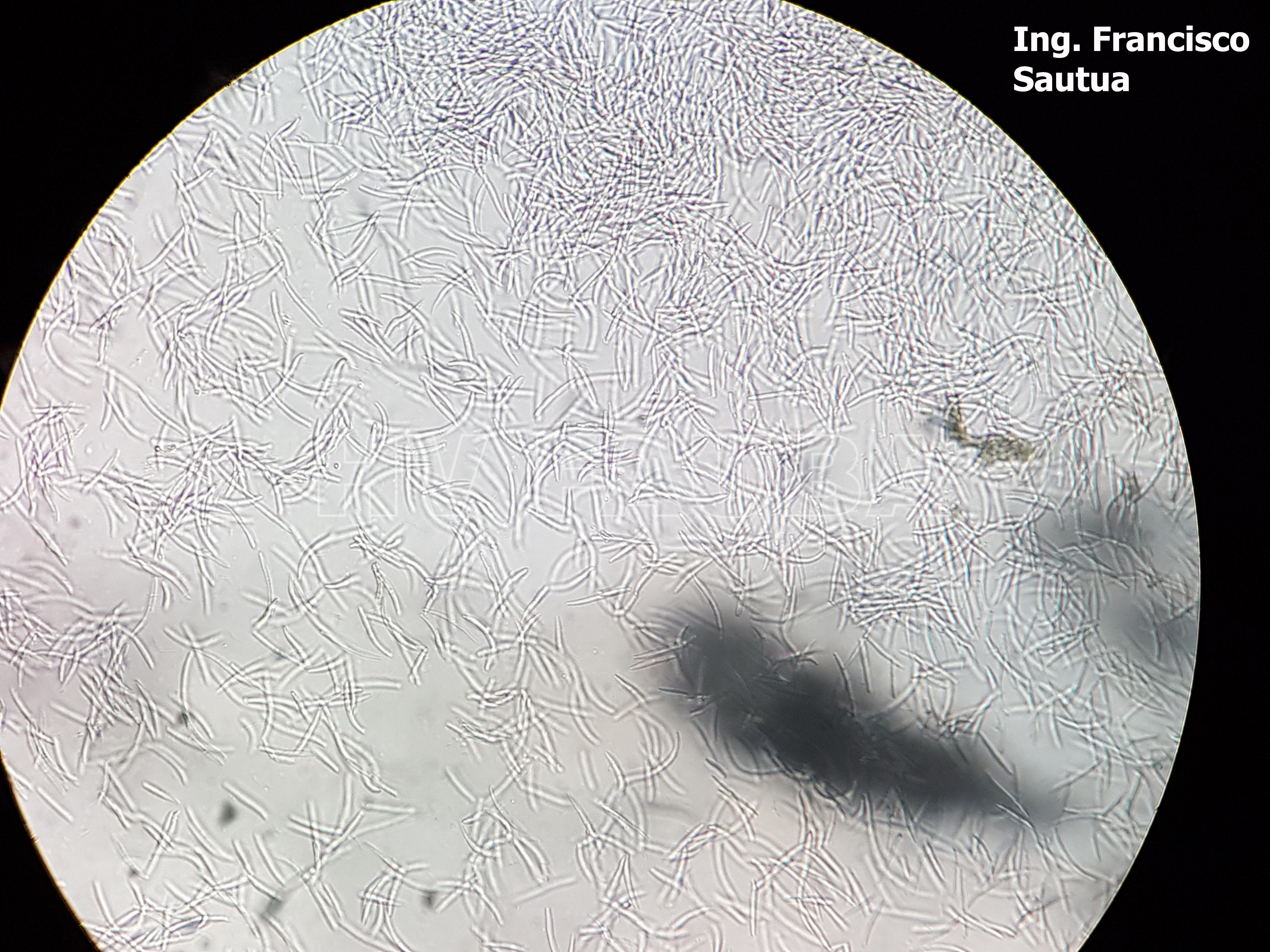
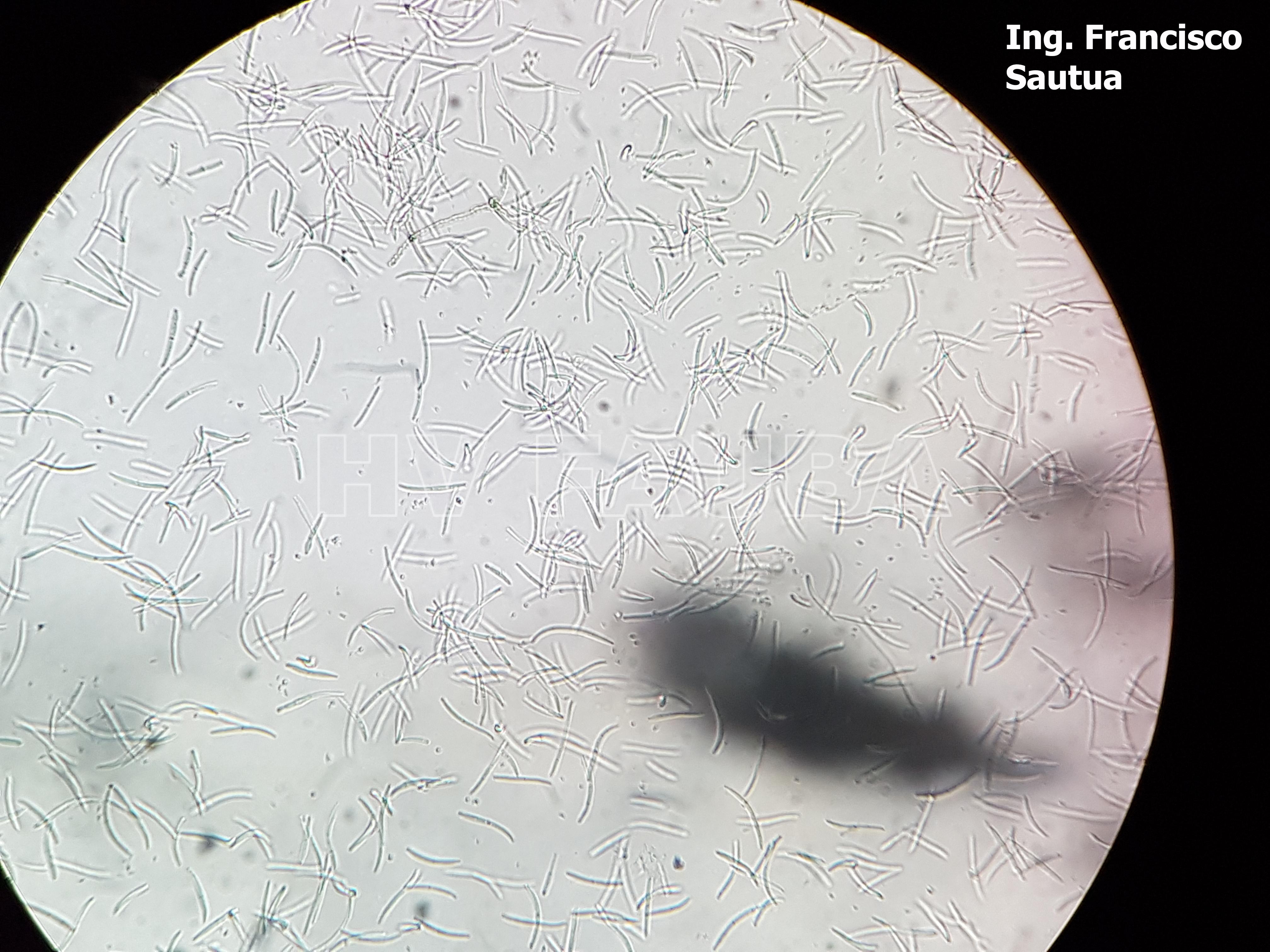
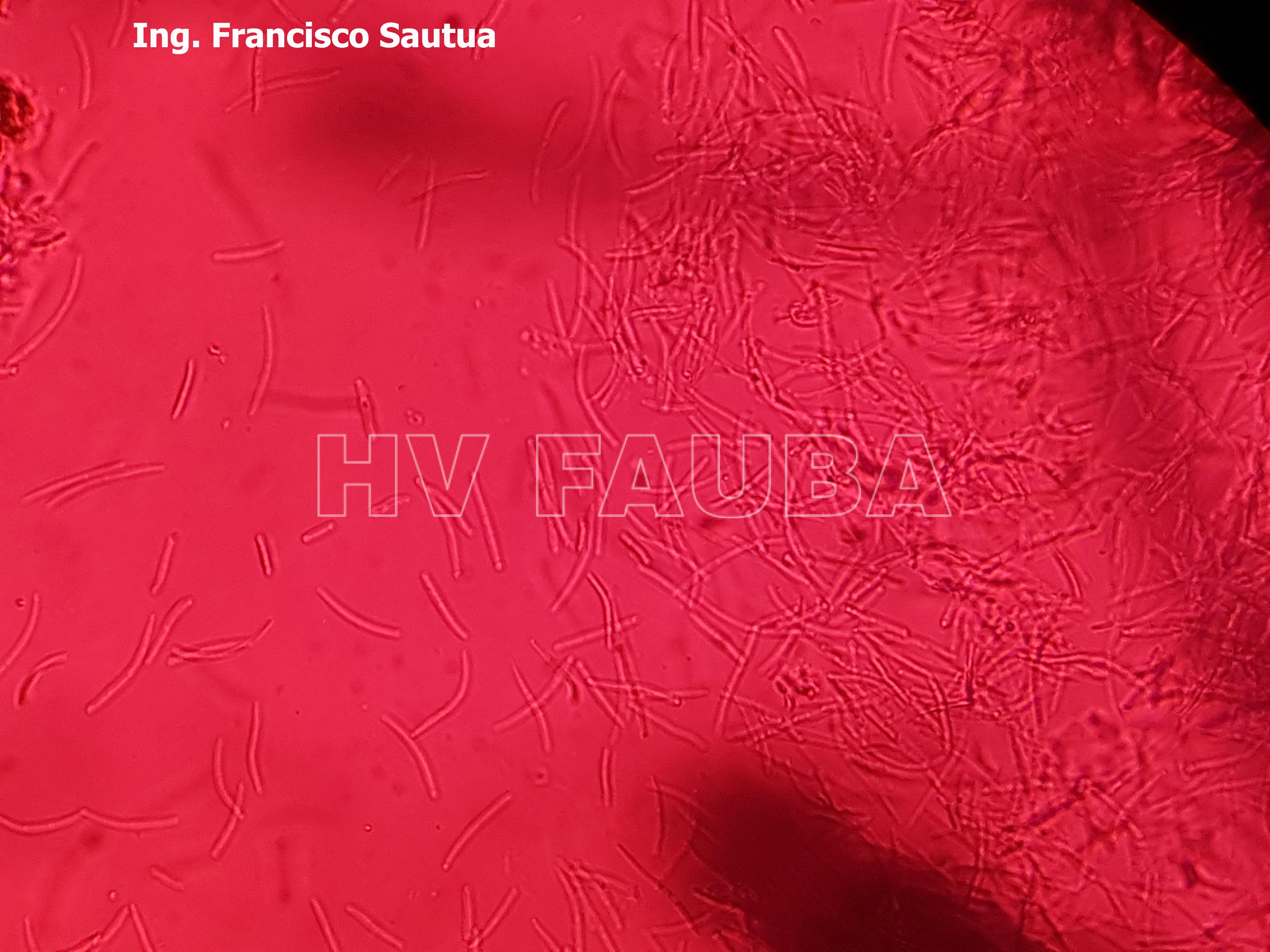
- Conidios de Septoria glycines
.
.
.
Síntomas y signos
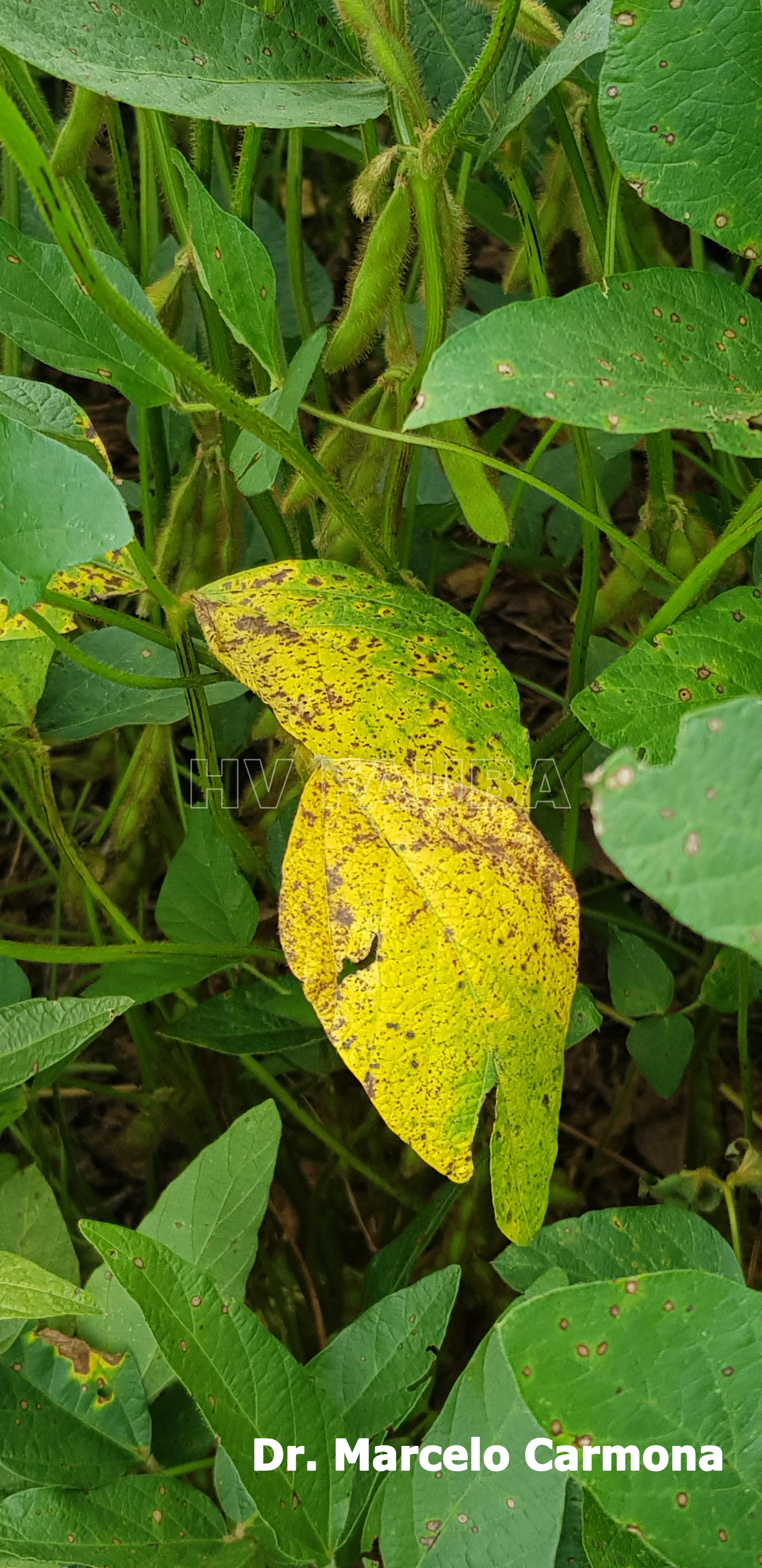
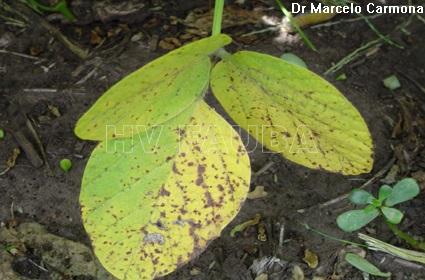
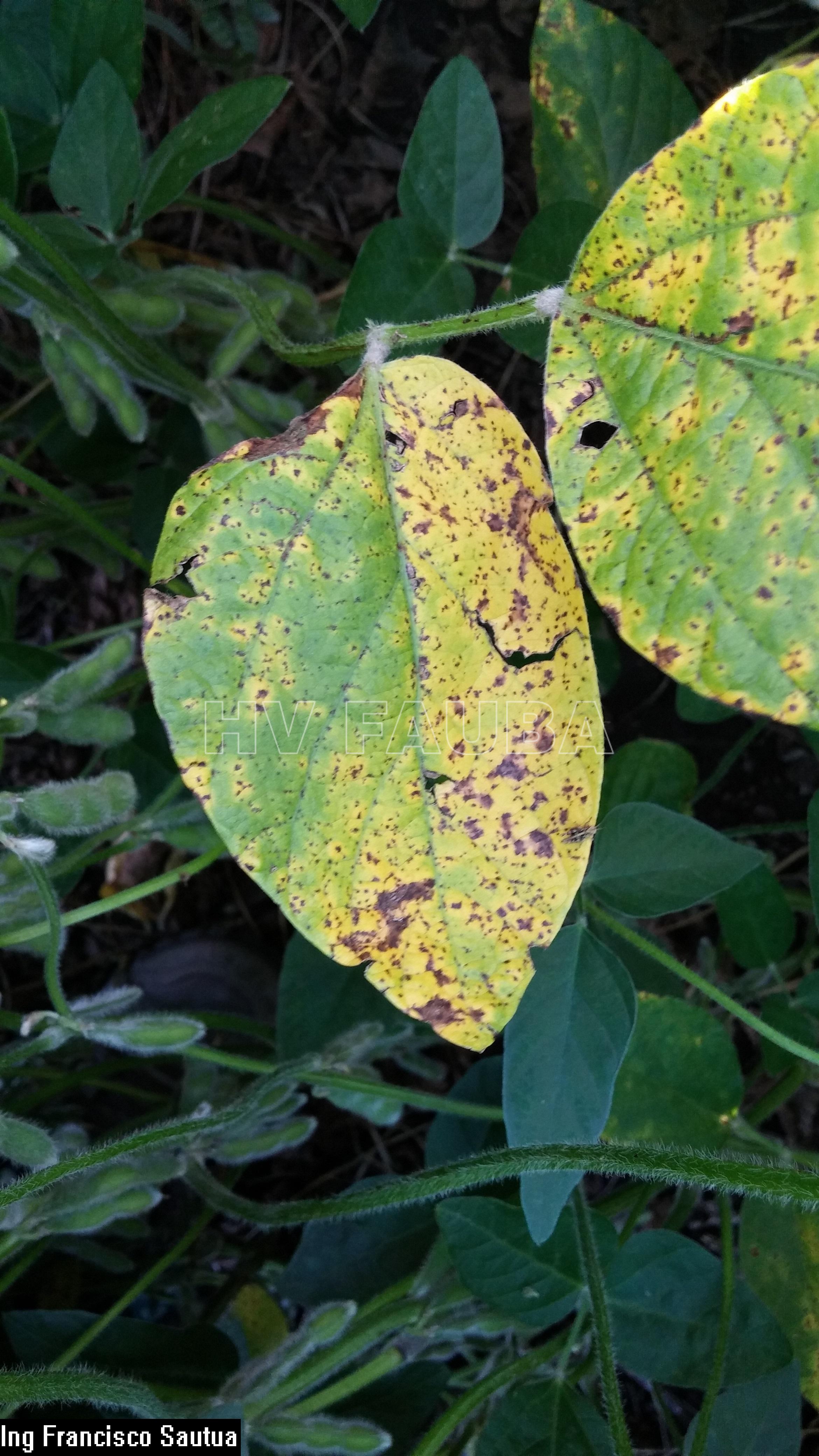
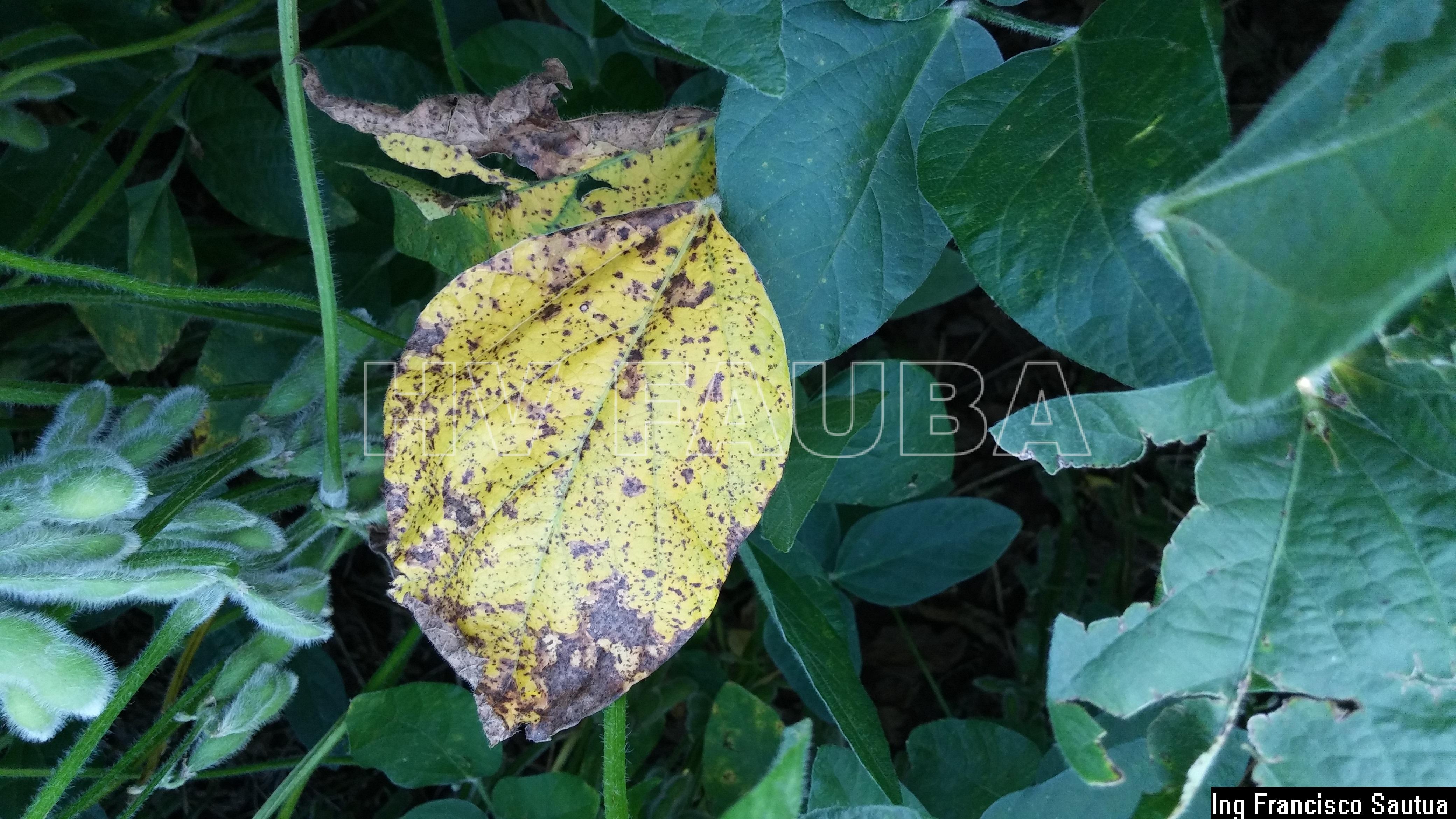
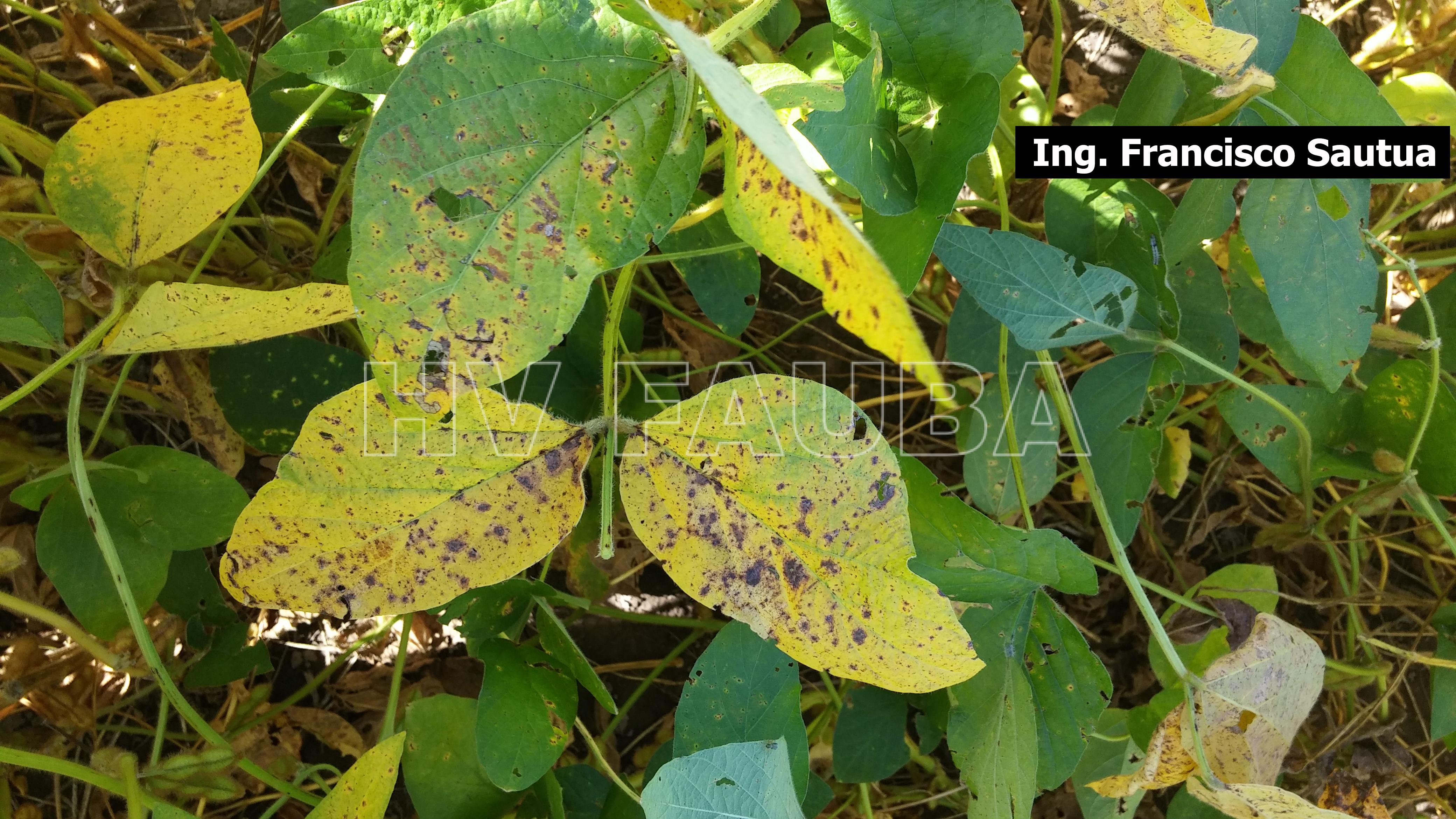
Los síntomas pueden observarse desde estadios tempranos (vegetativos), en los cotiledones y hojas basales. Luego su presencia pasa inadvertida hasta inicios de floración, cuando se observan por manchas foliares angulares a irregulares de color marrón. Los síntomas siempre comienzan por las hojas inferiores. Cuando la hoja aun esta verde, se observa un nítido halo clorótico. Luego el amarillamiento se generaliza y se produce la defoliación que avanza de la base hacia la parte superior de la plantas.
.
.
.
Condiciones predisponentes para el establecimiento y dispersión de la enfermedad
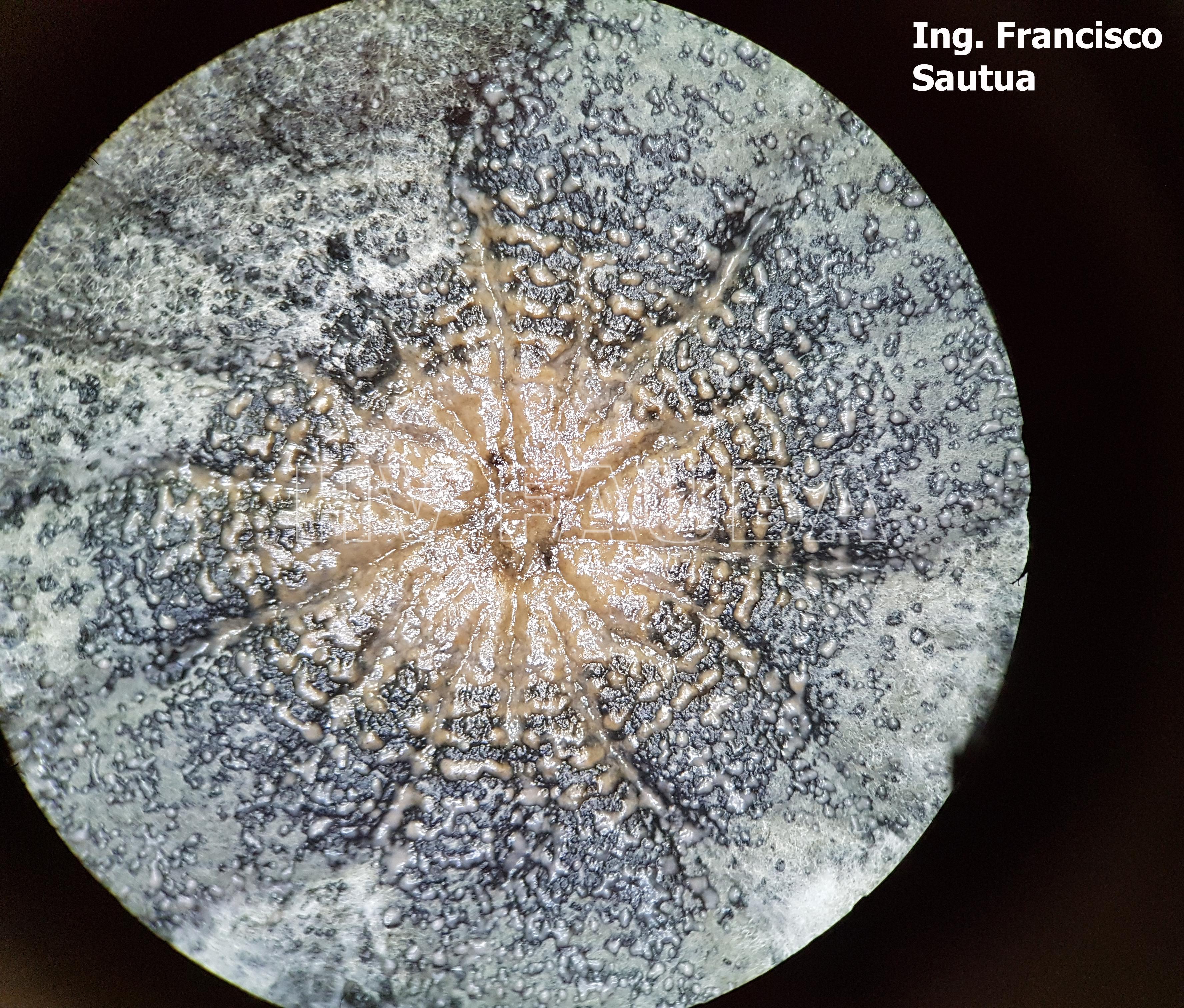
Temperaturas óptimas de 25 ºC, tiempo húmedo, lluvias con vientos. Las salpicaduras favorecen la dispersión ya que el hongo forma picnidios que liberan los conidios inmersos en una matriz mucosa.
.
Daños
Alta importancia relativa.
.
Manejo Integrado
* Rotación de cultivos
* Uso de semilla sana o tratada con fungicidas
* Correcta nutrición del cultivo
* Aplicación foliar de fungicidas de acuerdo con criterios técnico-científicos.
.
-
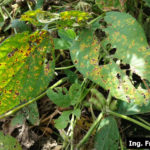
- 01 Síntomas foliares de la Mancha Marrón de la soja, causada por Septoria glycines. Autor: Ing. Francisco Sautua.

-
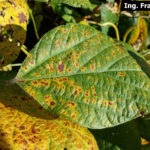
- 02 Síntomas foliares de la Mancha Marrón de la soja, causada por Septoria glycines. Autor: Ing. Francisco Sautua.

-
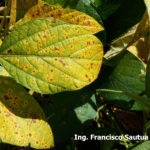
- 03 Síntomas foliares de la Mancha Marrón de la soja, causada por Septoria glycines. Autor: Ing. Francisco Sautua.
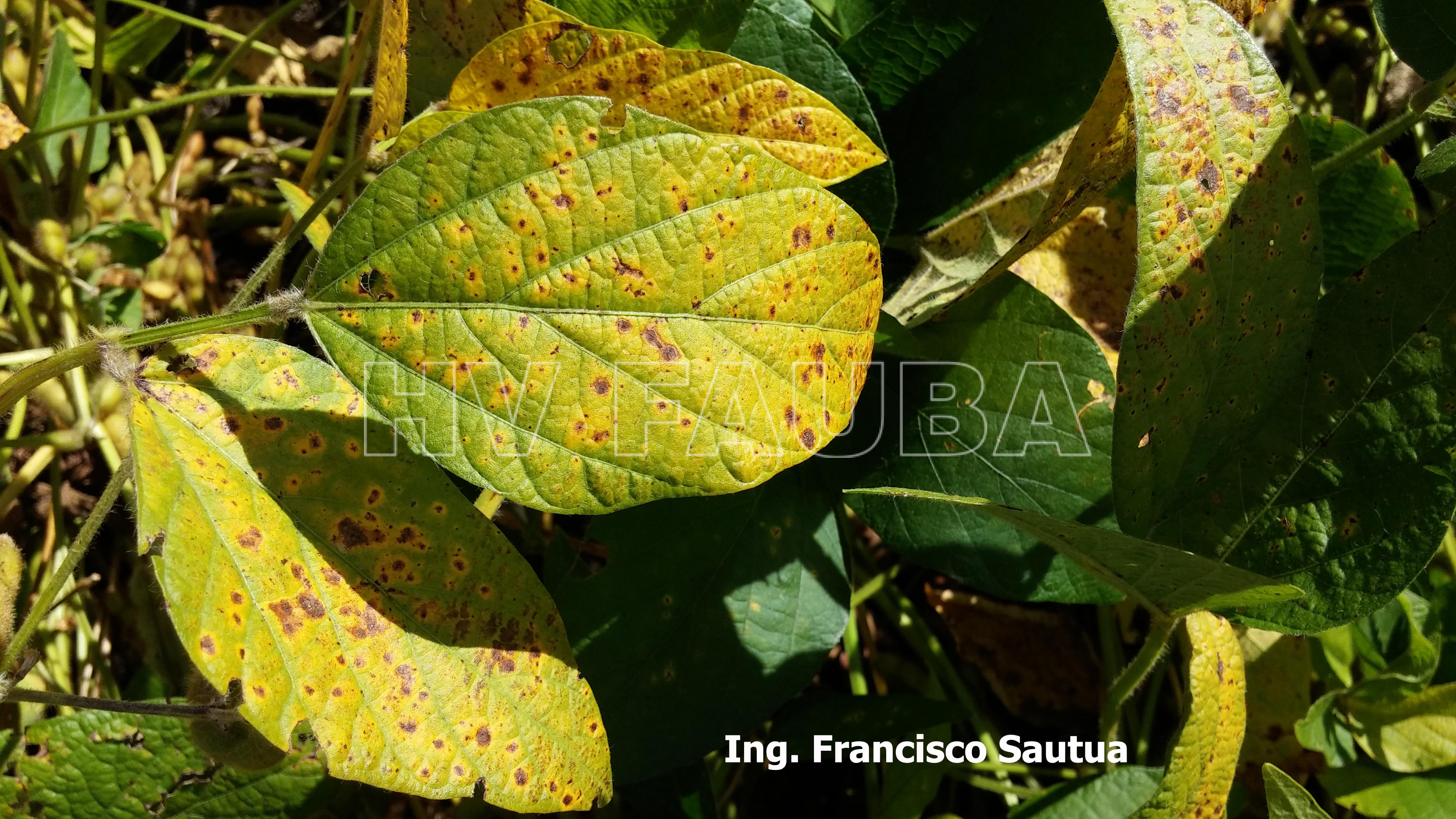
-
- 04 Síntomas foliares de la Mancha Marrón de la soja, causada por Septoria glycines. Autor: Ing. Francisco Sautua.
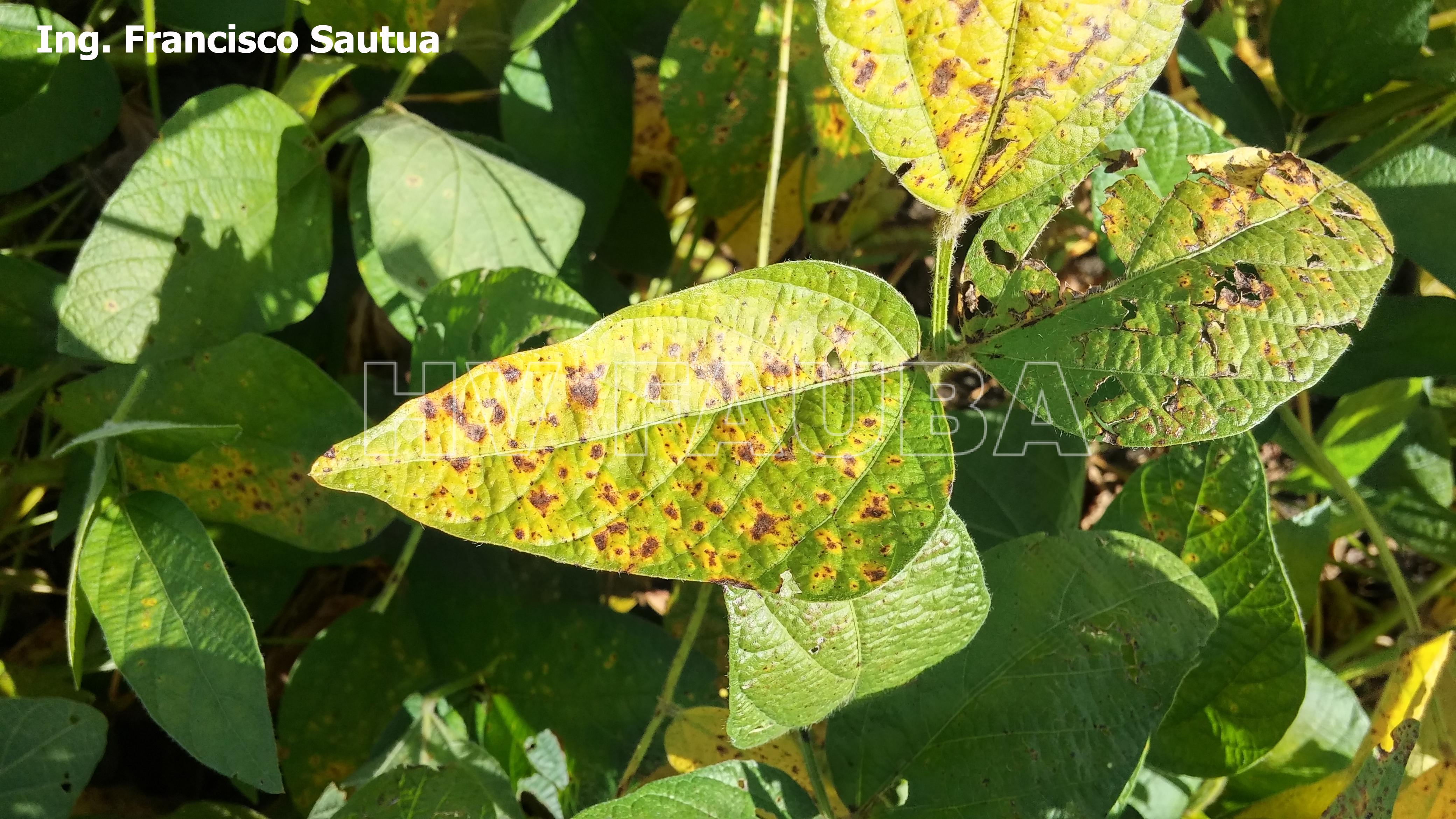
-
- 05 Síntomas foliares de la Mancha Marrón de la soja, causada por Septoria glycines. Autor: Ing. Francisco Sautua.
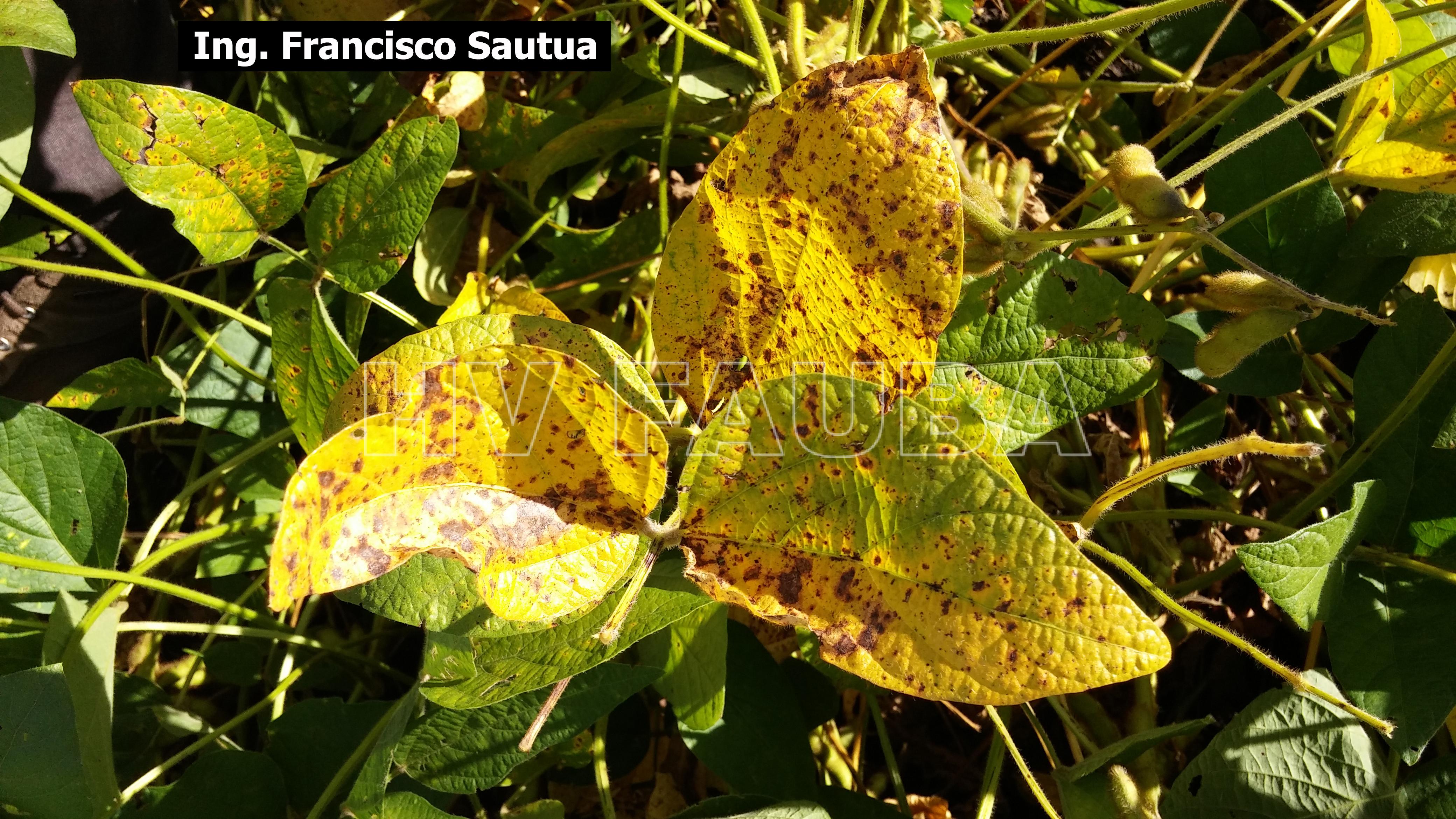
-
- 06 Síntomas foliares de la Mancha Marrón de la soja, causada por Septoria glycines. Autor: Ing. Francisco Sautua.

-
- 07 Síntomas foliares de la Mancha Marrón de la soja, causada por Septoria glycines. Autor: Ing. Francisco Sautua.
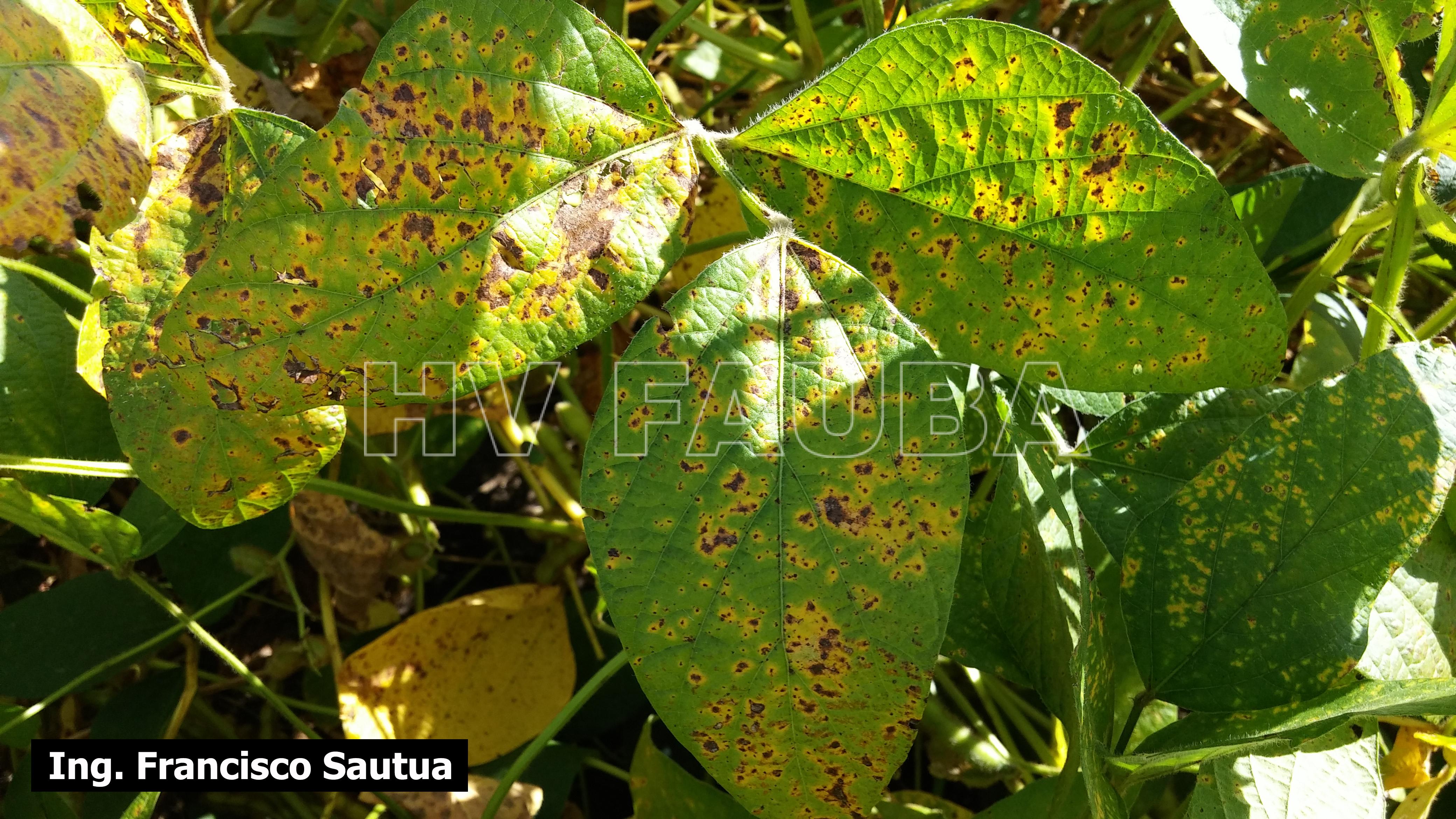
-
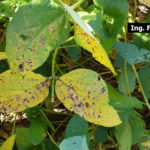
- 08 Síntomas foliares de la Mancha Marrón de la soja, causada por Septoria glycines. Autor: Ing. Francisco Sautua.
-
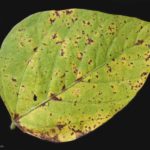
- Mancha Marrón de la soja causada por Septoria glycines. Autor: Dirceu Gassen

-
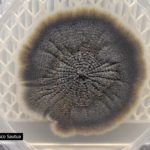
- 01 colonia de Septoria glycines creciendo en APG

-
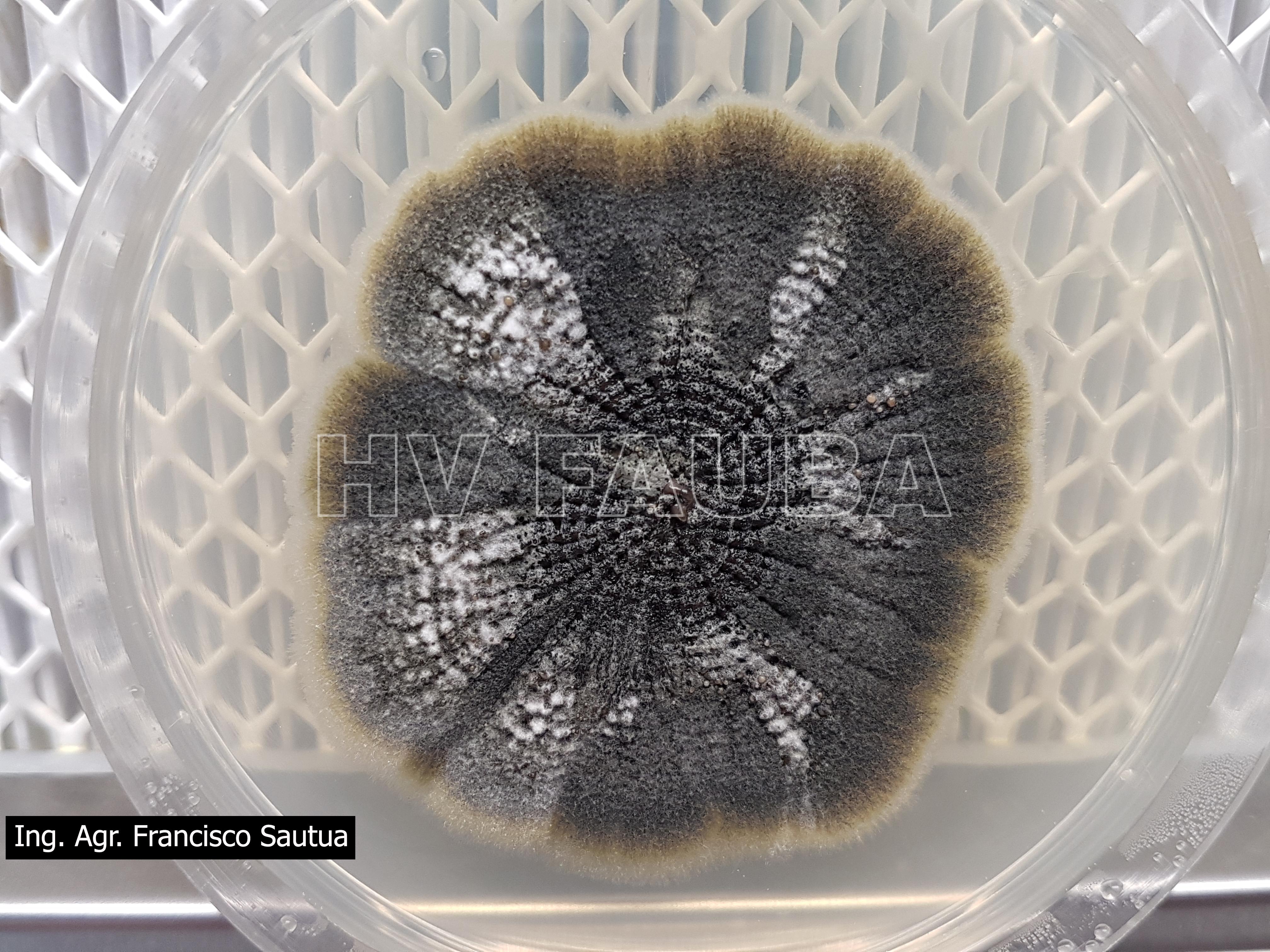
- 02 colonia de Septoria glycines creciendo en APG
-
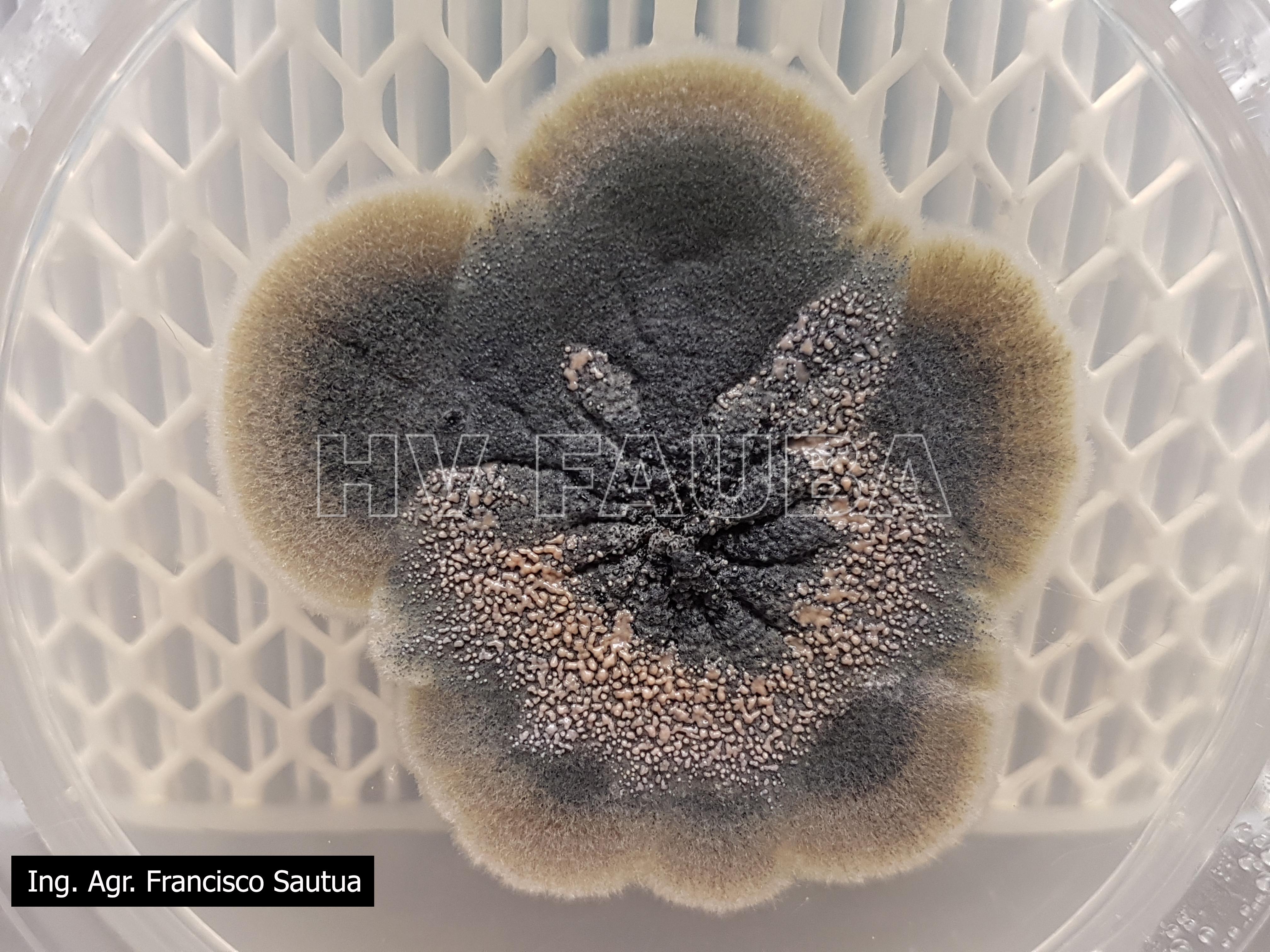
- 03 colonia de Septoria glycines creciendo en APG, con abundantes cirros
-
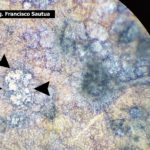
- 01 Cirros de Septoria glycines sobre hoja de soja. Autor: Ing. Francisco Sautua.

-
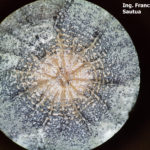
- 02 Cirros de Septoria glycines sobre colonia creciendo en PDA. Autor: Ing. Francisco Sautua.
-
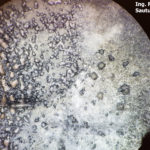
- 03 Cirros de Septoria glycines sobre colonia creciendo en PDA. Autor: Ing. Francisco Sautua.
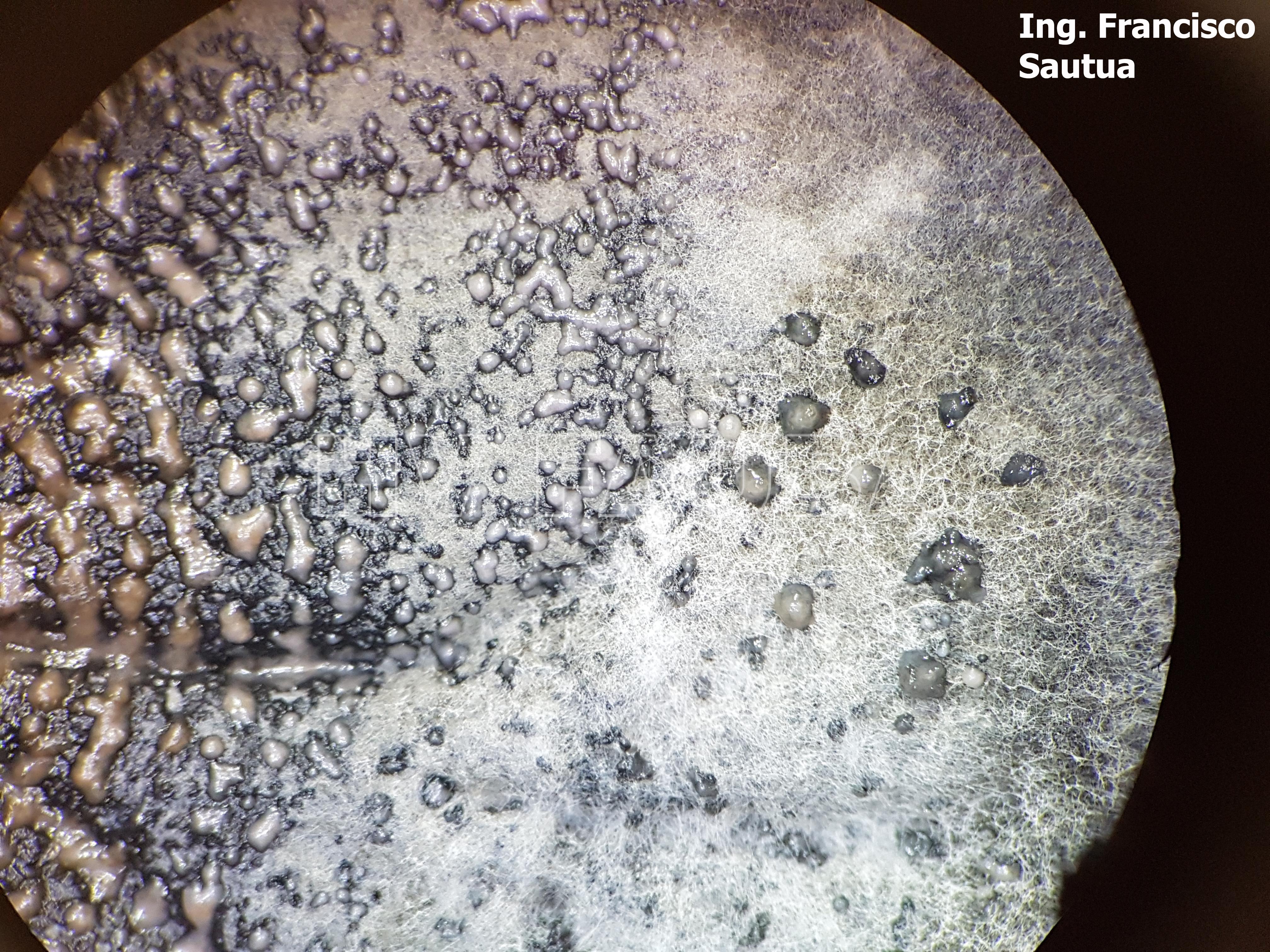
-
- 04 Cirros de Septoria glycines sobre colonia creciendo en PDA. Autor: Ing. Francisco Sautua.
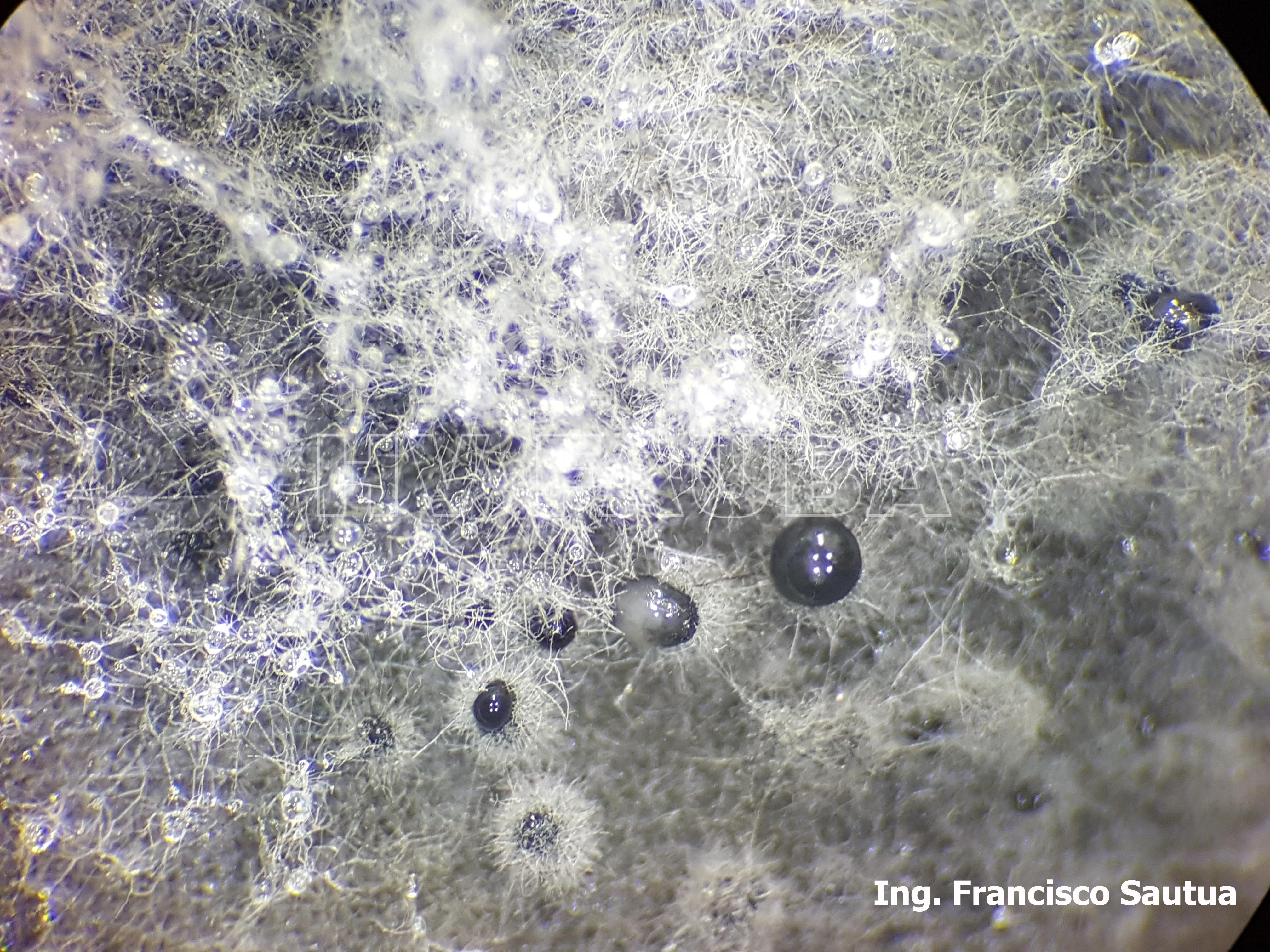
-
- 01 Conidios de Septoria glycines. Autor: Ing. Francisco Sautua.
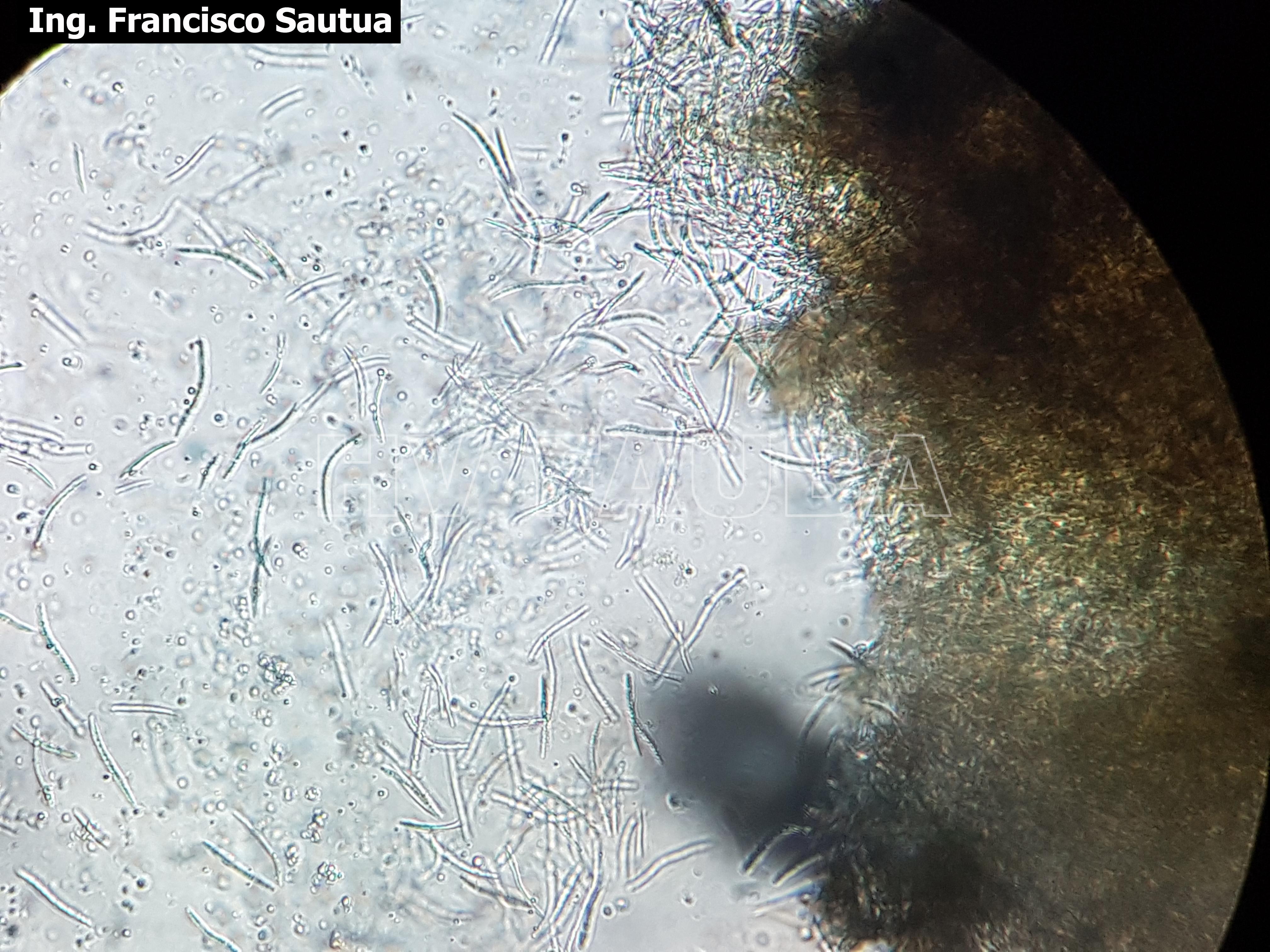
-
- 02 Conidios de Septoria glycines. Autor: Ing. Francisco Sautua.
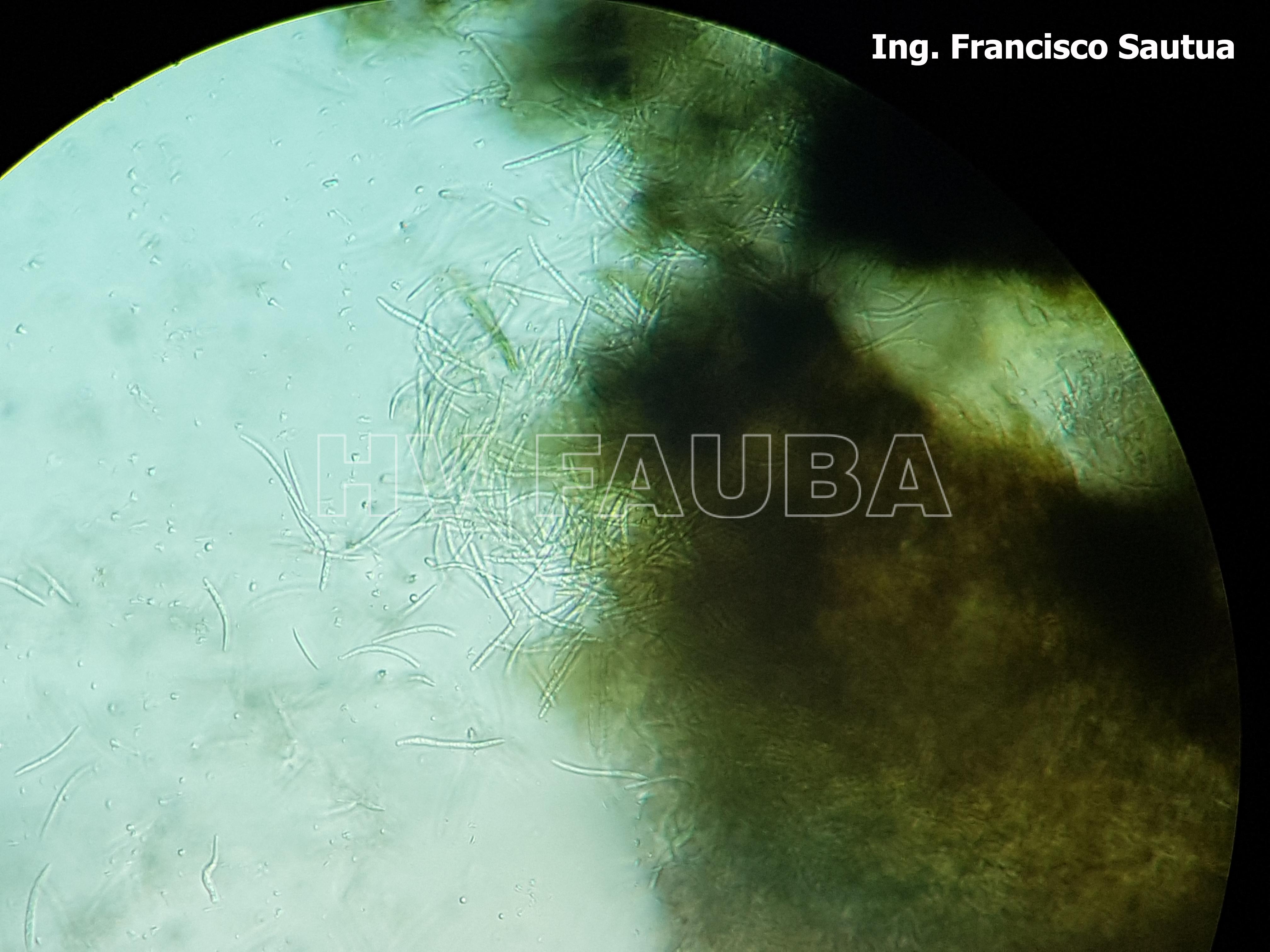
-
- 03 Conidios de Septoria glycines. Autor: Ing. Francisco Sautua.
-
- 04 Conidios de Septoria glycines. Autor: Ing. Francisco Sautua.
-
- 05 Conidios de Septoria glycines. Autor: Ing. Francisco Sautua.
-
- 06 Conidios de Septoria glycines. Autor: Ing. Francisco Sautua.
-
- 07 Conidios de Septoria glycines. Autor: Ing. Francisco Sautua.
-
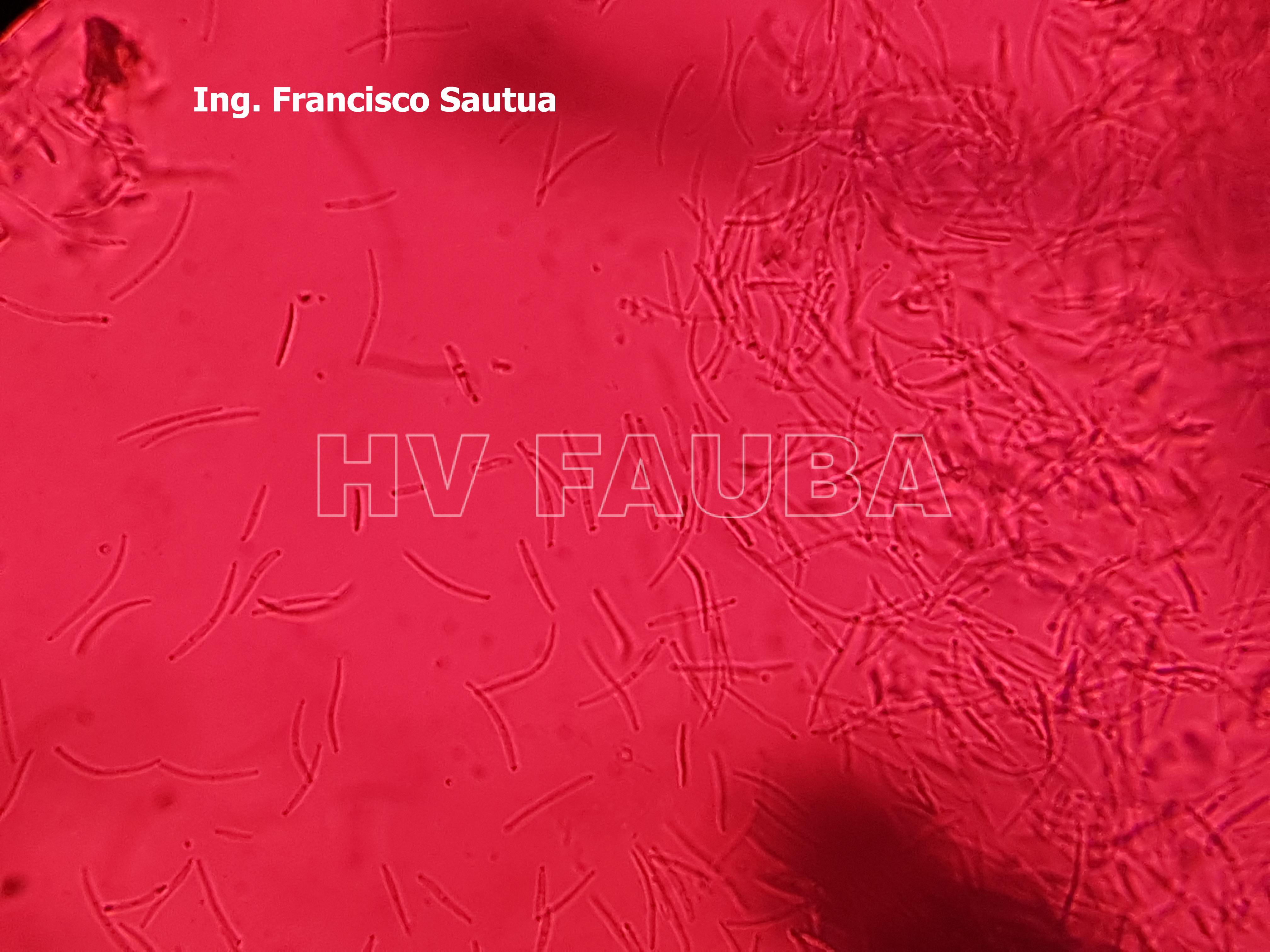
- 08 Conidios de Septoria glycines. Autor: Ing. Francisco Sautua.
.
.
.
Notas
Mancha marrón de la Soja. Notas de Fitopatología. FCA UNC.
.
Bibliografia
Allen TW, Bradley CA, Sisson AJ, et al. (2017) Soybean yield loss estimates due to diseases in the United States and Ontario, Canada, from 2010 to 2014. Plant Health Prog. 18: 19–27. doi: 10.1094/PHP-RS-16-0001-RS
Almeida AMR (1997) Observação de resistência parcial a Septoria glycines em soja. Fitopatol Bras. 22(2): 168–172.
Almeida AMR, Ferreira Filho AW, Oliveira RDL, et al. (2002) Pathogenicity, molecular characterization, and cercosporin content of Brazilian isolates of Cercospora kikuchii. Fitopatol Bras. 27(4): 375–382.
Batzer JC, Kandel YR, Bradley CA, et al. (2016) Effect of Seed Treatment on Early Season Brown Spot Caused by Septoria glycines of Soybean. Plant Health Progress 17: 223-228. doi: 10.1094/PHP-RS-16-0035
Brogin C, Arias C, Toledo J (2003) Genetic control of soybean resistance to brown spot (Septoria glycines): first studies. Cropp Breeding and Applied Biotechnology 3(1): 35–44. doi: 10.12702/1984-7033.v03n01a05
Carmona M, Moschini R, Cazenave G, et al. (2010) Relación entre la precipitación registrada en estados reproductivos de la soja y la severidad de Septoria glycines y Cercospora kikuchii. Tropical Plant Pathology 35: 71-78. doi: 10.1590/S1982-56762010000200001
Carmona M, Gally M, Sautua F, Abello A, Lopez P (2011) Uso de mezclas de azoxistrobina y triazoles para controlar enfermedades de fin de ciclo de la soja. Summa phytopathol. 37 (2): 134-139. doi: 10.1590/S0100-54052011000200009
Carmona M, Sautua F, Perelman S, et al. (2015) Development and validation of a fungicide scoring system for management of late season soybean diseases in Argentina. Crop Protection 70: 83-91. doi: 10.1016/j.cropro.2015.01.019
Carmona MA, Sautua FJ, Pérez-Hernández O, et al. (2018) AgroDecisor EFC: First Android™ app decision support tool for timing fungicide applications for management of late-season soybean diseases. Computers and Electronics in Agriculture 144: 310-313. doi: 10.1016/j.compag.2017.11.028
Carmona MA, Sautua FJ, Pérez-Hernández O (2019) Copper phosphite enhances efficacy of a strobilurin-triazole fungicide in controlling late season foliar diseases of soybean. Crop Protection 115: 130-134. doi: 10.1016/j.cropro.2018.09.019
Carmona M, Moschini R, Cazenave G, et al. (2008) Relationship between precipitations recorded in reproductive stages of soybean and severity of Septoria glycines and Cercospora kikuchii. Trop Plant Pathol. 33(3): 204–210.
Chalfoun NR, Durman SB, González-Montaner J, et al. (2018) Elicitor-Based Biostimulant PSP1 Protects Soybean Against Late Season Diseases in Field Trials. Front. Plant Sci. 9: 763. doi: 10.3389/fpls.2018.00763
Cooper LR, Walker EM, Kelly HM, Kariyawasam GK (2026) De novo Reference Genome Resource for the Soybean Pathogen Septoria glycines. PhytoFrontiers. doi: 10.1094/PHYTOFR-12-25-0144-A
Cruz CD, Mills D, Paul PA, et al. (2010) Impact of Brown Spot Caused by Septoria glycines on Soybean in Ohio. Plant Disease 94(7): 820-826. doi: 10.1094/PDIS-94-7-0820
Dorrance AE, Cruz C, Mills D, et al. (2010) Effects of foliar fungicide and insecticide applications on soybean in Ohio. Plant Health Prog. doi: 10.1094/PHP-2010-0122-01-RS
Ferdosi MFH, Javaid A, Khan IH, et al. (2024) Appraisal of antifungal potential of chemicals and plant extracts against brown leaf spot of soybean caused by Septoria glycines. Commun Agric Appl Biol Sci. 89(2): 123–134.
Hartman GL, Rupe JC, Sikora EJ, et al. (2015) Compendium of soybean diseases and pests. 5th ed. APS Press, St. Paul, MN.
Heidt E, Dangal NK, O’Neal M, et al. (2026) Evaluation of pesticide applications at various mungbean growth stages in the U.S. Midwest. Plant Health Prog. 27(1): 9–18. doi: 10.1094/PHP-01-26-0009-PDMR
Ivancovich A, Sautu F, Stenglein S, et al. (2008) Evaluación de mancha marrón de la hoja (Septoria glycines) en cultivares comerciales de soja de diferentes grupos de madurez, en dos fechas de siembra. Tesis de Grado. UNLu.
Jung R, de Toledo JFF, Arias CAA (2002) Inheritance of soybean resistance to brown spot (Septoria glycines) in early greenhouse assessments. Crop Breed Appl Biotechnol. 2(1): 71–76. doi: 10.12702/1984-7033.v02n01a10
Kandel YR, Mueller DS, Hart CE, et al. (2016) Analyses of yield and economic response from foliar fungicide and insecticide applications to soybean in the North Central United States. Plant Health Prog. 17: 232–238. doi: 10.1094/PHP-RS-16-0022
Kandel YR, Srivastava PK, Mueller DS, et al. (2015) Soybean yield response to rhizobia inoculant, gypsum, manganese fertilizer, insecticide, and fungicide. Agron J. 107(5): 1771–1780. doi: 10.2134/agronj14.0485
Lavilla M, Peper A (2024) Evolución de la mancha marrón (Septoria glycines) en diferentes sistemas de producción de soja (Glycine max). Agron Mesoam. 35(1): 54632. doi: 10.15517/am.2024.54632
Lavilla M, Ivancovich A, Sautu F, et al. (2019) Evolución temporal de la mancha marrón de la soja causada por Septoria glycines. Manejo integrado basado en rotaciones, cultivos de servicios y fungicidas. Rev AAPRESID. 179: 28–35.
Lim SM (1980) Brown spot severity and yield reduction in soybean. Phytopathology. 70(10): 974–977.
Lin HA, Villamil MB, Mideros SX (2021) Characterization of Septoria brown spot disease development and yield effects on soybean in Illinois. Canadian Journal of Plant Pathology, 43: 62-72. doi: 10.1080/07060661.2020.1755366
Lin HA, Mideros SX (2021) Accurate quantification and detection of Septoria glycines in soybean using quantitative PCR. Current Plant Biology 25. doi: 10.1016/j.cpb.2020.100192
Lin HA, Mideros SX (2023) The effect of Septoria glycines and fungicide application on the soybean phyllosphere mycobiome. Phytobiomes Journal 7: 220-232. doi: 10.1094/PBIOMES-12-21-0075-R
Martinenko NV, et al (2021) Effect of Septoria on the specific activity of Glycine max (L.) Merr hydrolases. IOP Conf. Ser.: Earth Environ. Sci. 677: 052089. Link
Martynenko N, Lavrentieva S, Tarasova O (2021) Influence of Septoria glycines Hemmi on the enzymes’ activity of hydrolytic Glycines max (L.) Merr seed complex. E3S Web of Conferences 254, 02020. doi: 10.1051/e3sconf/202125402020
McFeaters TS, Collins AA, Esker PD (2025) Efficacy of foliar fungicides on Septoria brown spot severity and yield in soybeans in Southeast Pennsylvania, 2024. Plant Health Prog. doi: 10.1094/PHP-04-25-0113-PDMR
Mirzaliev K, Zhildikbayeva AN, Sabirova AI, et al. (2023) Analysis of resistance to Septoria glycines in soybean world collection harvested in south-eastern Kazakhstan. Genetika. 59(12): 1456–1465.
Munkvold GP, Steffens MW, Meyer SLF, et al. (2024) Impact of foliar fungicide application on the culturable fungal endophyte community of soybean seed in the Midwest United States. Plant Dis. 108(5): 1234–1244. doi: 10.1094/PDIS-06-23-1122-RE
Neves D, Wang A, Weems JD, et al. (2022 ) Identification of Septoria glycines Isolates from Soybean with Resistance to Quinone Outside Inhibitor Fungicides. Plant Disease 106: 2631-2637. doi: 10.1094/PDIS-08-21-1836-RE
Neves D, Berghuis B, Scherer J, et al. (2026) Isolates of Septoria glycines, Causal Agent of Brown Spot of Soybean, in North Dakota Contain the G143A Mutation Conferring Resistance to Quinone Outside Inhibitor Fungicides. Plant Health Progress. doi: 10.1094/PHP-03-26-0073-SC
Nian J, Yu M, Bradley CA, et al. (2021) Lysobacter enzymogenes strain C3 suppresses mycelium growth and spore germination of eight soybean fungal and oomycete pathogens and decreases disease incidences. Biological Control 152: 104424. doi: 10.1016/j.biocontrol.2020.104424
Pataky JK, Lim SM (1996) Host range of Septoria glycines, quantification of partial resistance, and brown spot evaluation of soybeans regenerated from calli. Phytopathology. 86(2): 165–171.
Quaedvlieg W, Verkley GJM, Shin HD, et al. (2013) Sizing up Septoria. Stud Mycol. 75(1): 307–390. doi: 10.3114/sim0017
Roth MG, Mueller DS, Chilvers MI, et al. (2020) Integrated management of important soybean pathogens of the United States in changing climate. J Integr Pest Manag. 11(1): 17. doi: 10.1093/jipm/pmaa013
Semenova EA, Dubovitskaya LK, Gins VK, et al. (2018) Activity and Electrophoretic Spectra of Enzymes in Soy Leaves Affected by the Pathogens of Various Trophic Groups. Russ. Agricult. Sci. 44: 216–220. doi: 10.3103/S1068367418030138
Sequín CJ, Sampietro DA, Sgariglia MA, et al. (2020) Use of extracts from Prosopis nigra in the control of Cercospora kikuchii and Septoria glycines. Industrial Crops and Products 158: 112979. doi: 10.1016/j.indcrop.2020.112979
Spiegelaar A, Tenuta AU, Dirks H, et al. (2016) The effect of pyraclostrobin on soybean plant health, yield, and profitability in Ontario. Can J Plant Sci. 96(1): 62–69. doi: 10.1139/cjps-2015-0143
Underwood N, Chilvers MI, Jacobs JL, et al. (2025) Comparison of different culture media and different spawn substrata to increase inoculum of Cercospora sojina and Septoria glycines. PhytoFrontiers. doi: 10.1094/PHYTOFR-07-25-0069-R
Verkley GJ, Quaedvlieg W, Shin HD, et al. (2013) A new approach to species delimitation in Septoria. Stud Mycol. 75(1): 213-305. doi: 10.3114/sim0018
Wagner LS, Sequin CJ, Foti N, et al. (2021) Insecticidal, fungicidal, phytotoxic activity and chemical composition of Lavandula dentata essential oil. Biocatalysis and Agricultural Biotechnology 35: 102092. doi: 10.1016/j.bcab.2021.102092
Wrather JA, Anderson TR, Arsyad DM, et al. (2010) Soybean disease loss estimates for the United States 2003 to 2005. J Integr Pest Manag. 1(1): C1. doi: 10.1603/IPM09008
Young LD (1979) Brown Spot Development and Yield Response of Soybean Inoculated with Septoria glycines at Various Growth Stages. Phytopathology, 69(1): 8. doi: 10.1094/phyto-69-8